Housing
There’s no debate that Tippecanoe County is in a severe housing crisis.
How did we get here, and how do we get out?
The Problem.
More than 15% of Greater Lafayette is facing severe housing insecurity. Not enough young people can afford to buy a house, and out-of-state developers are cashing in while our neighbors struggle to afford rent increases.
How did we get here?
The housing crisis is complicated. And while there’s single cause of the crisis, there are several key barriers that are holding us back from making housing accessible and affordable.
-
![]()
INCREASED RENT & STAGNANT WAGES
Friendly, attentive, and always ready to help, our customer service manager ensures every interaction is a positive one. They keep communication clear, timely, and human.
-
![]()
SUBURBURBAN SPRAWL
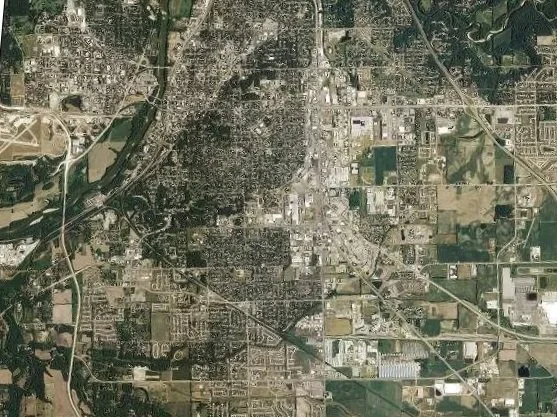
For decades, new housing developments in Greater Lafayette have spread further into the countryside and away from the city’s urban core. Not only does this destroy farmland and woodlands, but it also costs millions of dollars each year in new infrastructure and maintenance projects. Larger lot sizes (Zone R1 housing) also result in low property tax income per square mile when compared to neiighborhoods with more dense housing.
-
![]()
RAPID POPULATION GROWTH
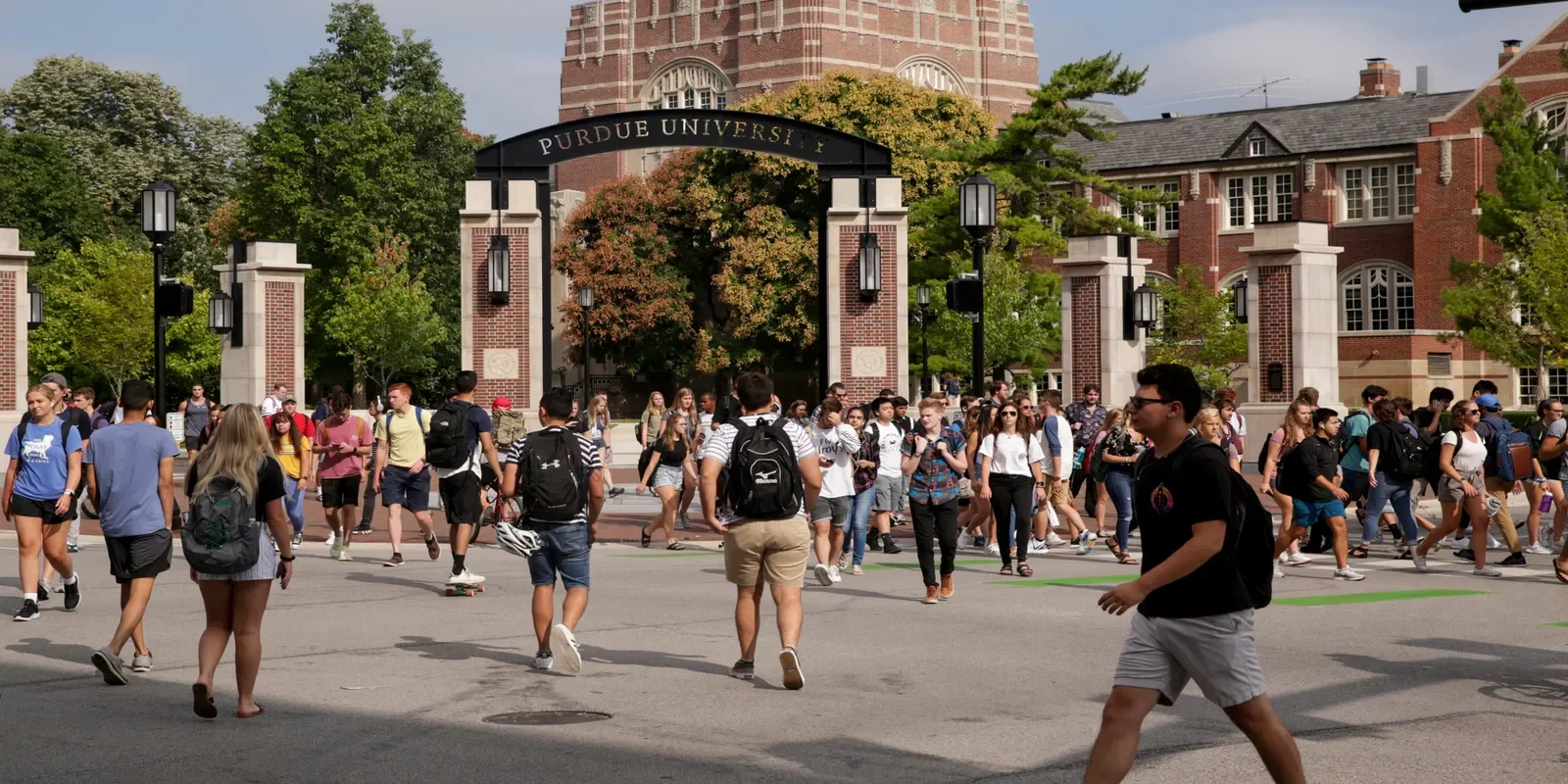
Annual enrollment at Purdue University has increased by over 18,000 students in the past ten years. And while there are many positives to having so many university students in West Lafayette, there are simply not enough units to house all of these new additions to our community. Now, city leaders and developers are scrambling to build new housing projects to meet the demand and keep out-of-state students from pricing out local residents.
-
![]()
SHORT-SIGHTED DEVELOPMENT
With a vision for building something meaningful, our founder brings a blend of big-picture thinking and hands-on experience.
They set the tone for everything we do.